A Land Wrapped in Mystery and Beauty
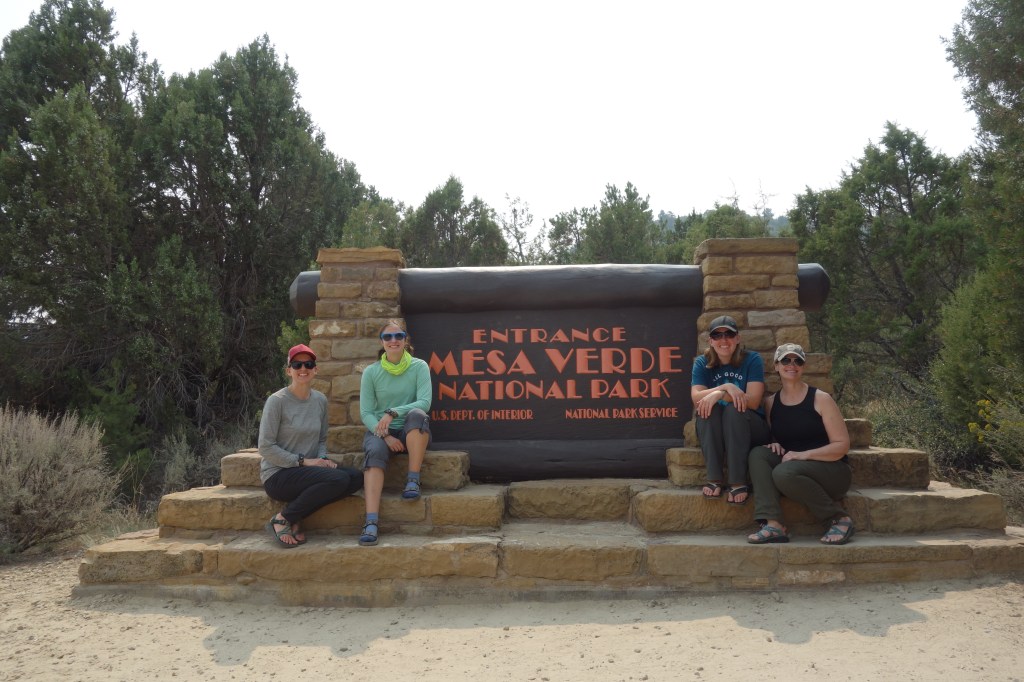
As our group of four set off for Mesa Verde, we estimated we’d spend maybe two hours there and move on to another hike. Five hours later, we were finally leaving and our opinions of the park had collectively skyrocketed. It’s truly a fantastic place to visit, even if the ranger tours were cancelled due to COVID.
Quick facts about Mesa Verde
Spanish for “Green Table,” this park sits about forty-five minutes from Durango. Since it’s far closer to Utah than Denver, I’d never had an opportunity to go before. It was deemed a National Park in 1906 and named America’s first UNESCO World Heritage Site in the 70s. And hopefully you’ll understand why after seeing these epic constructions.
To and From the Loops
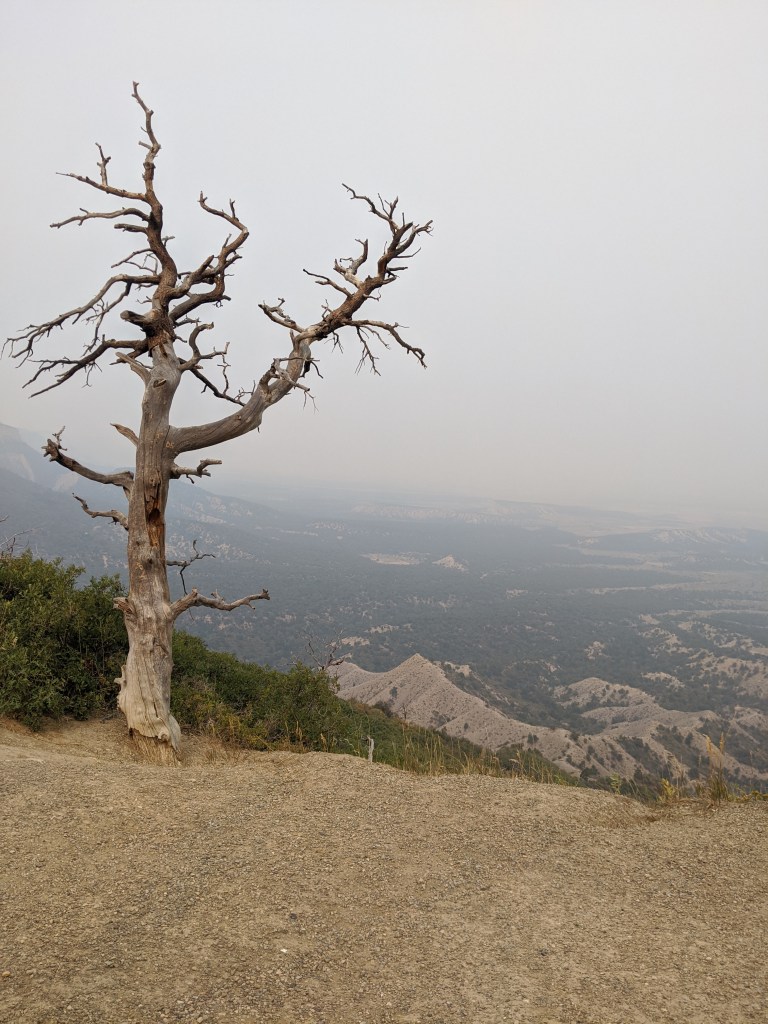
It takes about forty-five minutes from the park entrance to the Mesa Top Loop. Longer if, like us, you stop at every viewpoint along the way. The air at this elevation was filled with wildfire smoke from the west coast at the time. But luckily it cleared up as we continued to climb to the 8,500+ feet of the archaeological sites.
The Archaeology Tour
Our trip to Mesa Verde was substantially enhanced by a free audio tour app the park put together, which narrated the history of what we saw as we visited each stop on the Mesa Top Loop. Actual archaeological dig sites were made open to the public in airy buildings, to better appreciate the history of the Ancestral Pueblo people. I’ll take you through our tour now.
Pit Houses 550-750 CE
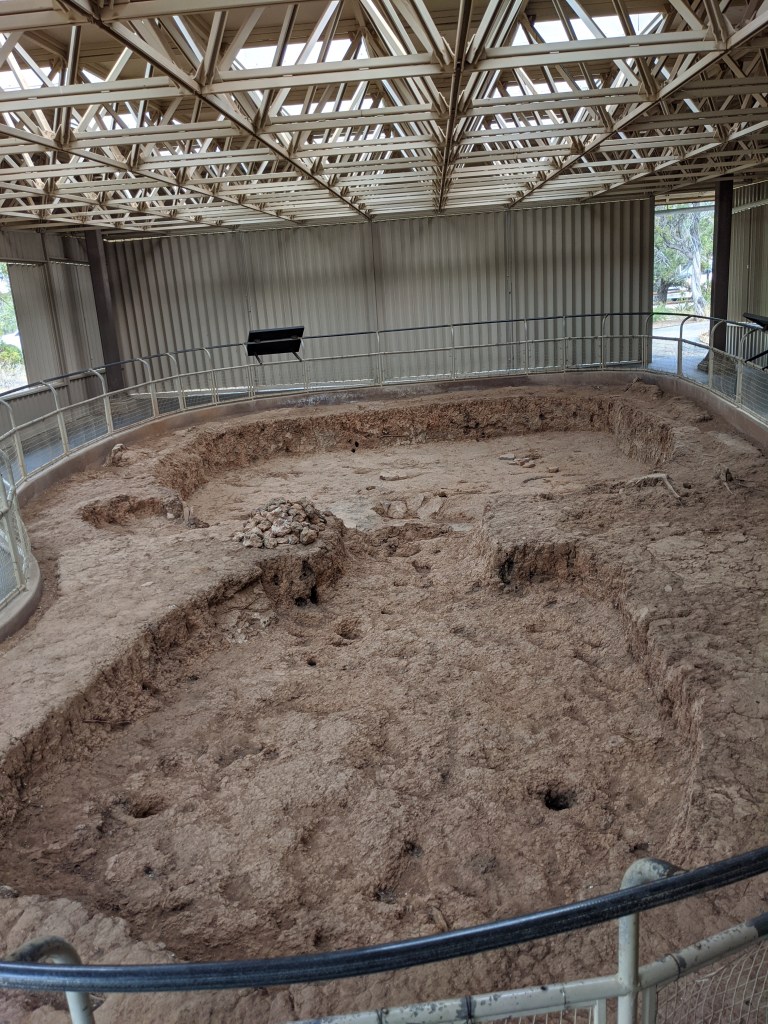
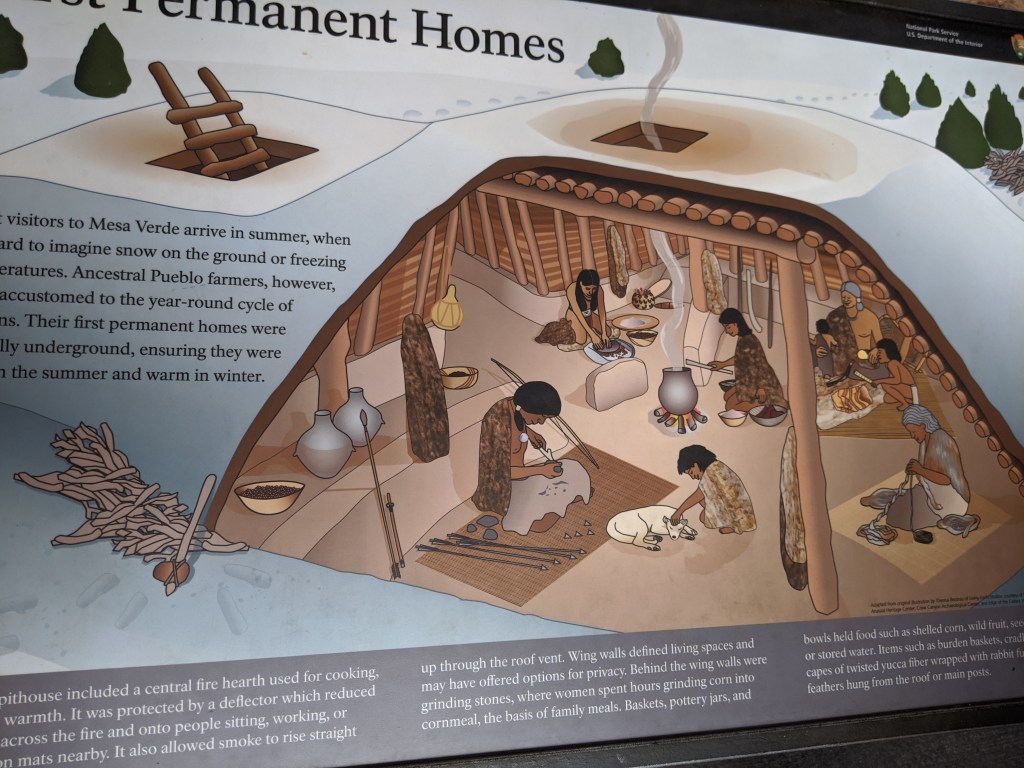
The first stop on the loop was the pit house. Ancestral Pueblo people dug into the earth and used the shallow opening to add structure to the house they built on top. At this time, they built with logs and mud and had to fix up the damage after every winter.
Single Story Villages 750-1100 CE
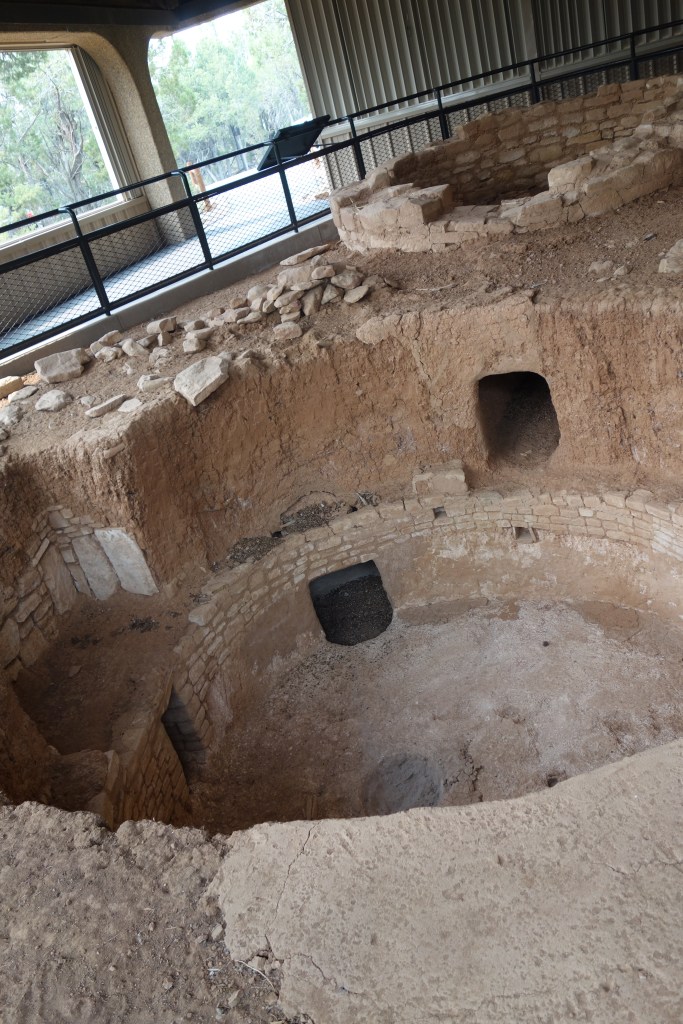
Eventually, the builders switched to masonry when they constructed their villages. Impressive buildings, like this much deeper home dug for a family, were a blend of stone and mud as the residents honed their techniques.
Multi Story Villages 1100-1200 CE
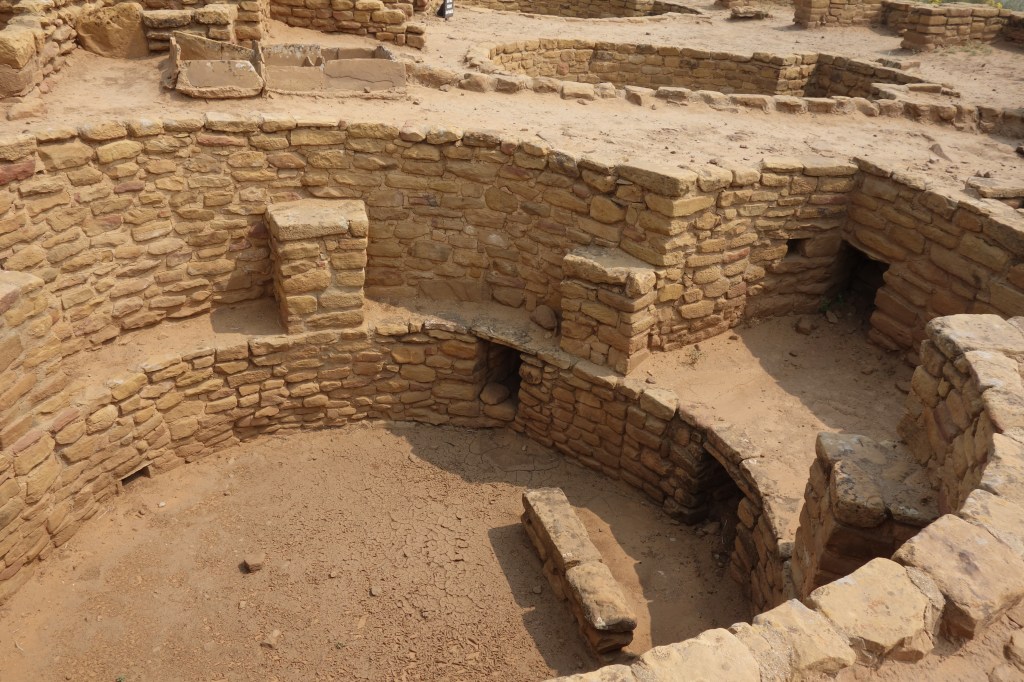
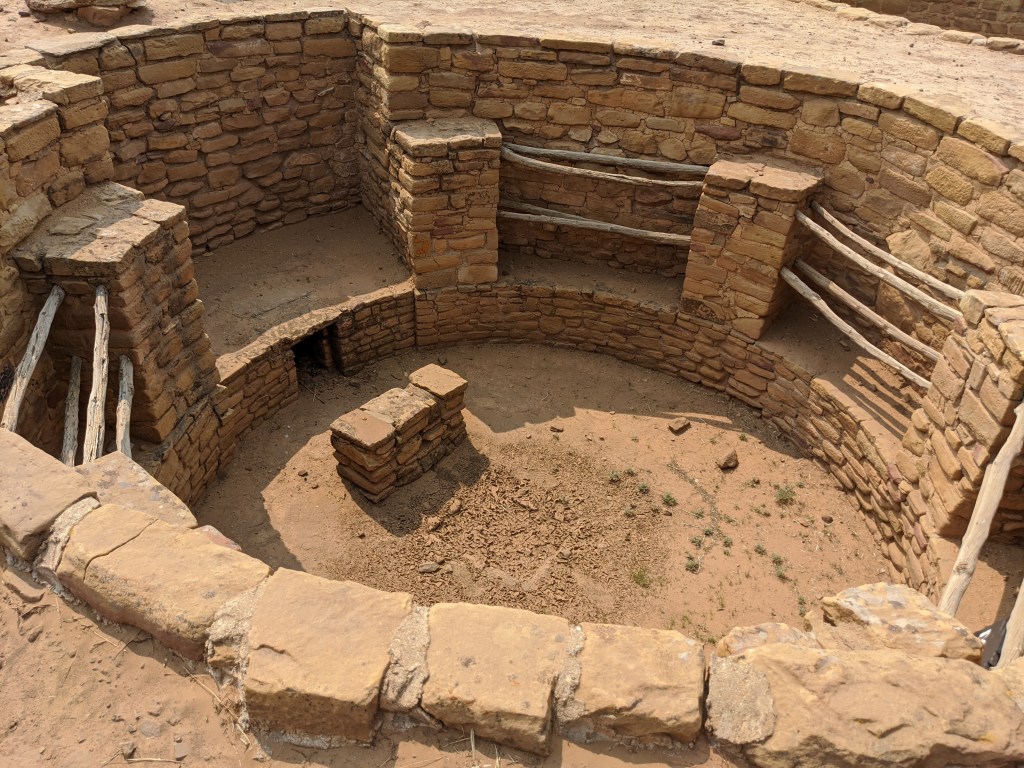
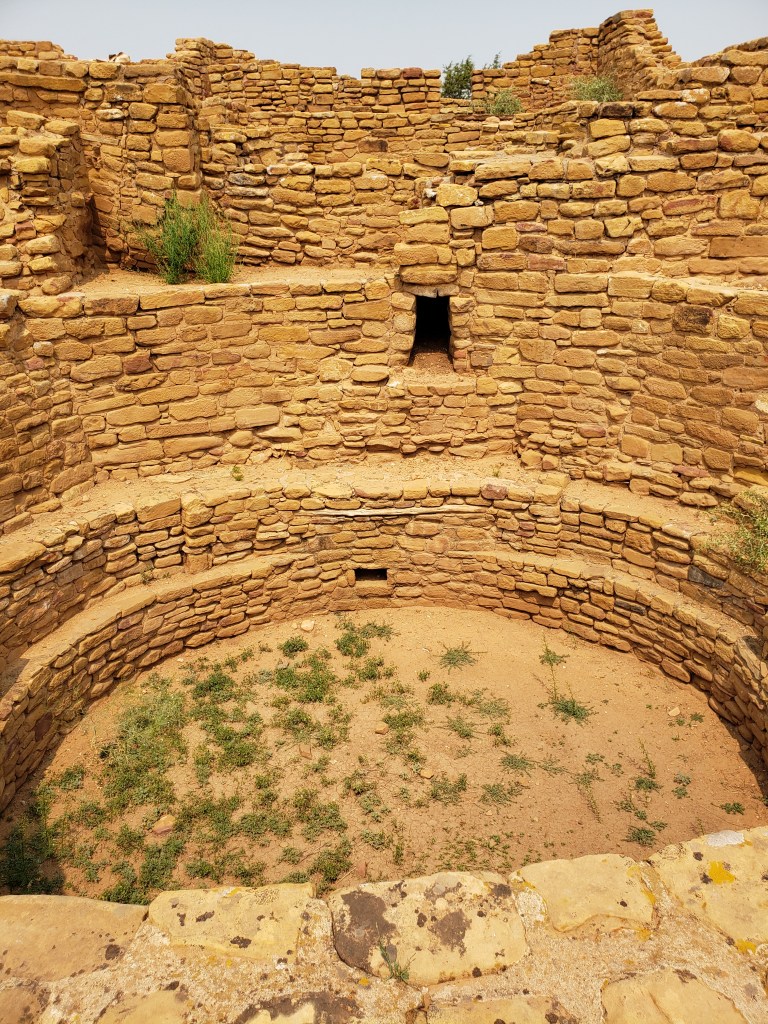
You can see the villages get more sophisticated as you travel the Mesa Top Loop. But the best example of these were at the Far View Sites located before the Loop. There we could see impressive, well-constructed villages composed of rooms and kivas all set in their close, wall-sharing glory. The kivas, like the one pictured immediately below, were used as community gathering places, and had the perimeter bench for seating as well as a chimney for air flow.
Cliff Dwellings 1200-1300 CE
For reasons still not known to us, the Ancestral Pueblo people moved from their very much horizontal villages to building structures on the sides of cliffs. Elaborate rope systems were used to go from the village to the surface, and bricks were pulled from their previous villages to aid in the construction of these amazing creations.
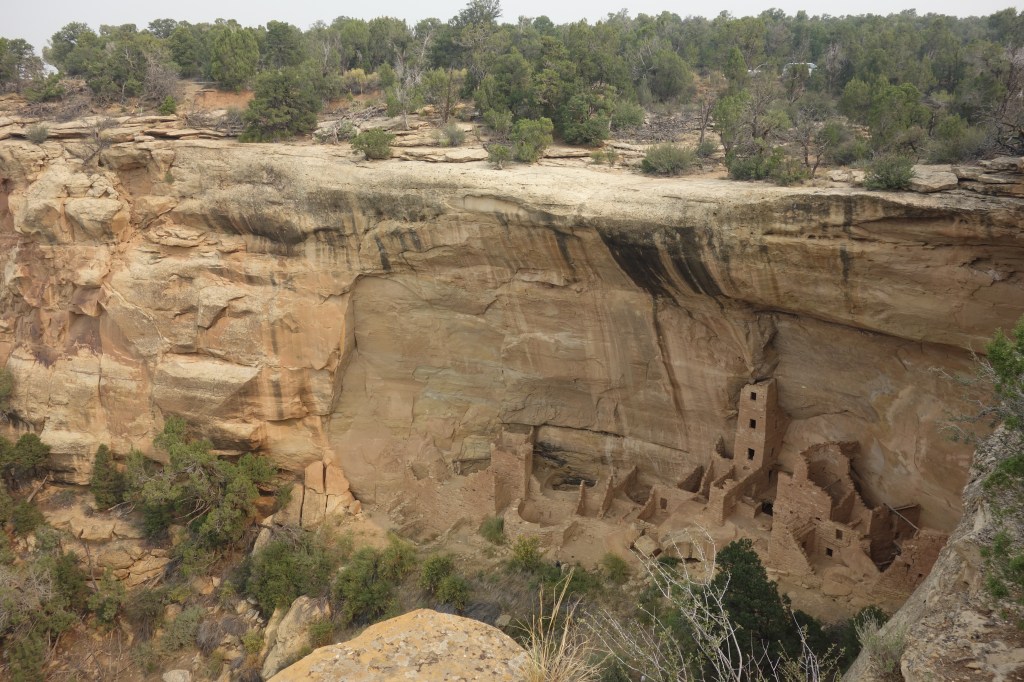
Square Tower House is located near the beginning of the loop, and it just comes out of nowhere in terms of how impressive it looks compared to the pit houses before it! It’s an excellent set up for the later cliff dwellings.
Cliff Palace
It’s impossible to feel the scale of this feat from a picture, but know that Cliff Palace, as pictured below, holds 150 rooms and 23 kivas. It is believed it was the home to 100 people. This is where the best ranger-led tours happen.
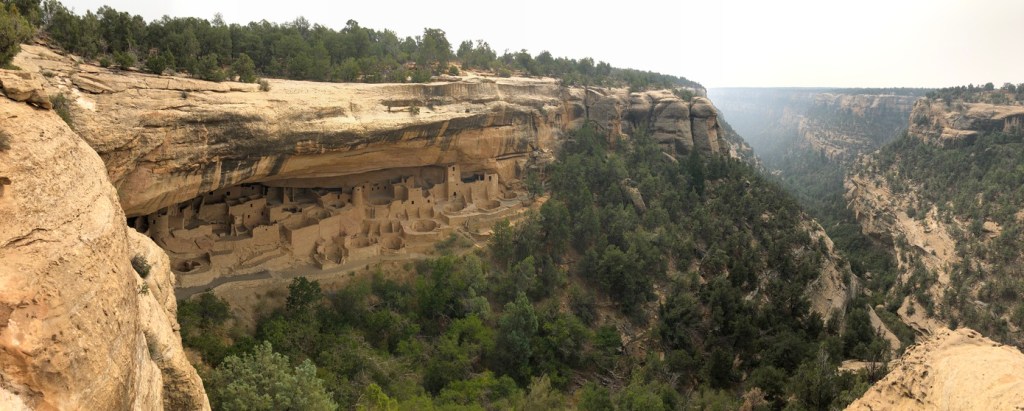
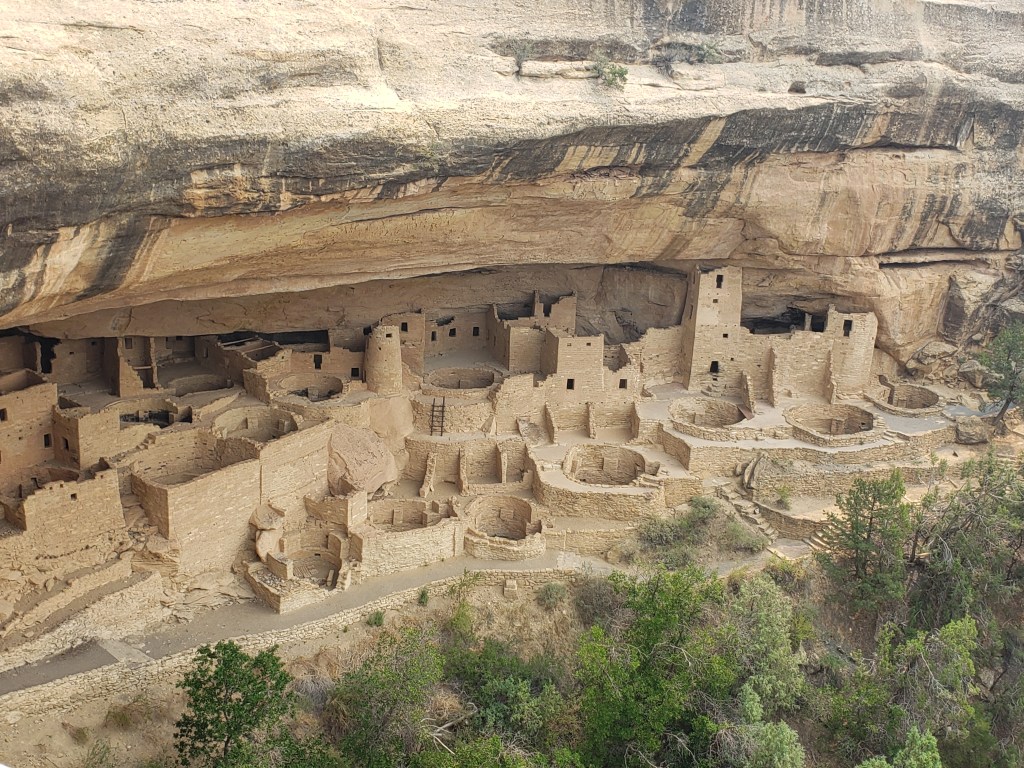
Overall, we were wildly impressed with Mesa Verde National Park and were so glad we brought binoculars to appreciate the details from our mandatory distances. Luckily the viewpoints throughout the park got us pretty close to the action, but here’s Cliff Palace from a distance in case it helps with scale!
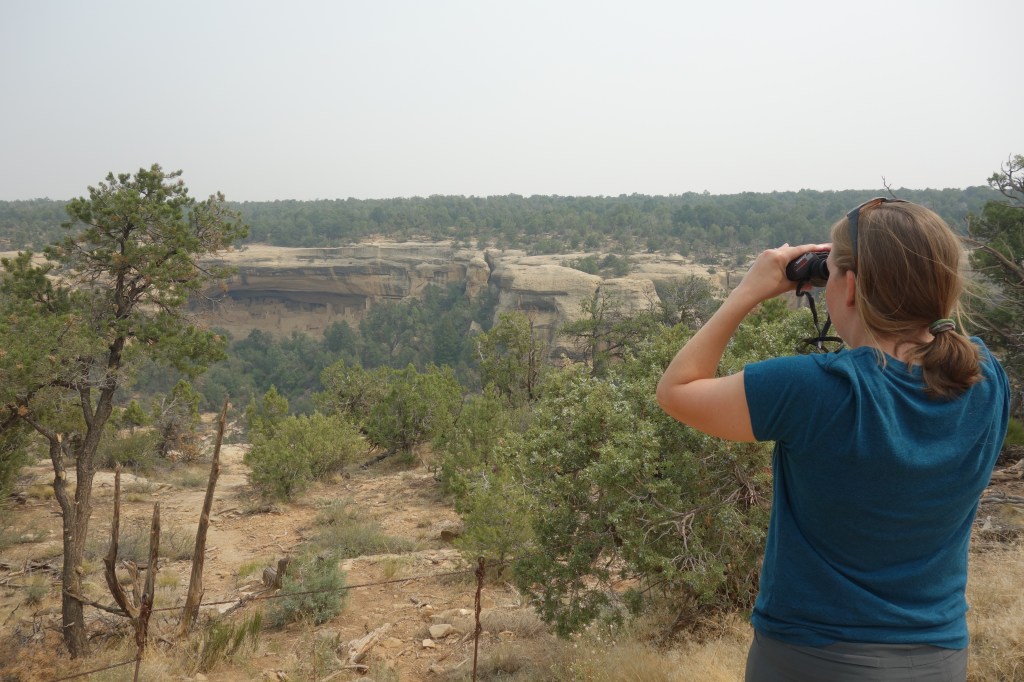
If you’re going to be in this corner of Colorado, you’ve got to visit this park. Maybe by the time you visit, ranger hikes will return and you can see Cliff Palace up close in it’s majesty!
 LangeTime Adventures
Leave a comment